Write the first visible step
A task such as “finish the report” describes an outcome. Before starting, choose the first action you could do with the document open. It might be finding one figure, writing a heading, or leaving a note where something is missing.
Pipwild keeps a next step beside your focus task. You can edit it when the task feels too large. A rough time estimate helps you plan your day; it does not become a countdown you have to beat.
Let the clock count up
A count-up timer shows how much time you have spent without setting an automatic finish line. Pipwild’s focus blocks are open-ended. You choose when to pause and when the work has reached a useful stopping point.
You can still give yourself a rough boundary before starting. “I have about twenty minutes before lunch” is enough. If you need a hard alarm for an appointment, set that separately. The focus clock is a record of the block.
Leave yourself a return note
If you need to leave, pause the block. Before switching away, write the next small action you want to see when you return. A specific note can save you from rereading the whole task just to find your place.
If the task no longer fits today, park it. You can bring it back when you have room. Pipwild also lets you make the next step smaller while the block is paused. Saving that step does not restart the clock.
Finish the block and check the task separately
You can do useful work without finishing the whole task. Close the block when you stop, add a short note if it helps, and mark the task complete only when it is actually done.
Pipwild lets you save the finished block and complete its task together when both are true. Otherwise, the task stays available for another session. Leaving the timer running is not a way to earn extra XP.
- Pause or finish when you stop working.
- Record what changed or where to begin next.
- Check whether the whole task is done before completing it.
Choose how much atmosphere you want
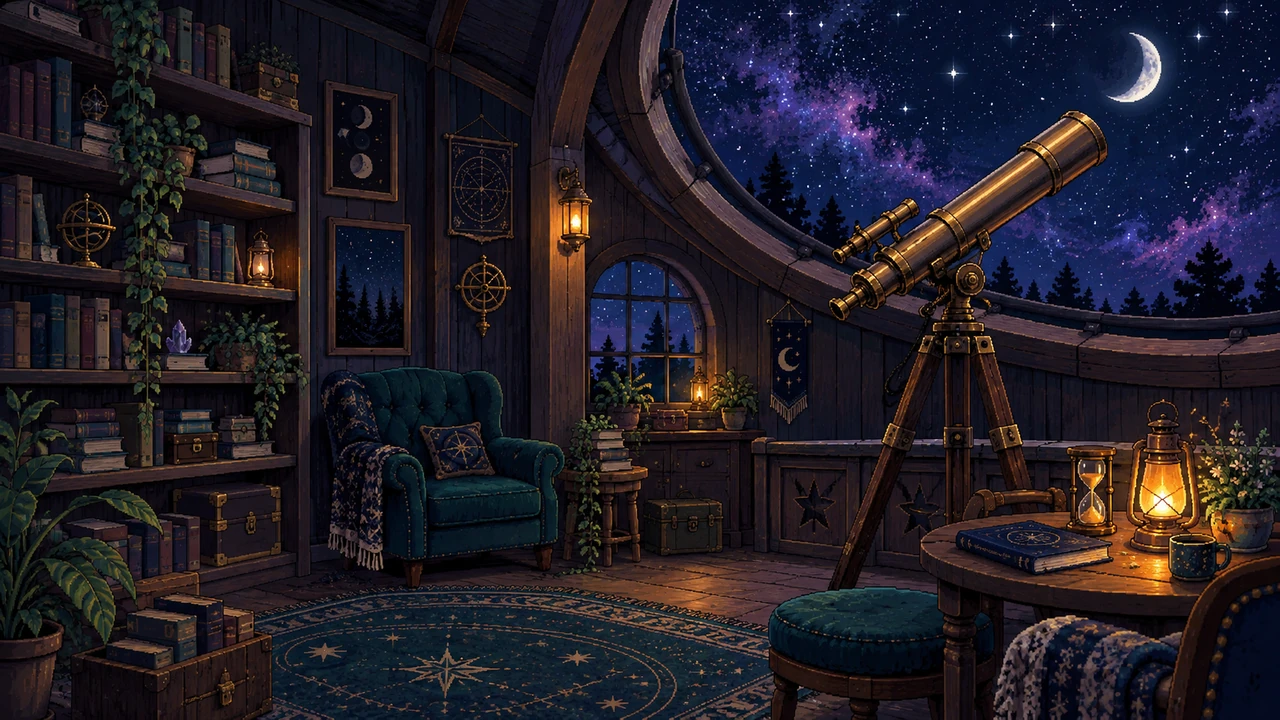
A little company can make a workspace more inviting. Pipwild’s observatory has a quiet illustrated scene, day and night appearance, and optional sound. You control those settings.
Calm mode reduces decorative motion. The app also follows your device’s reduced-motion preference. Try the setting that makes it easier to read your next step. Your focus space should be comfortable to return to.